
annealed float glass
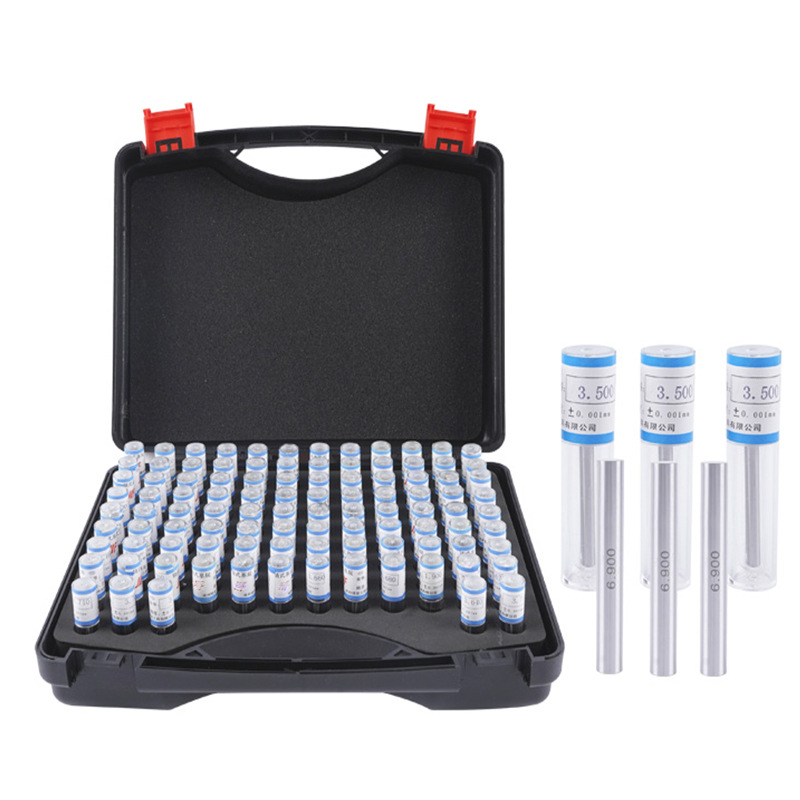
In the highly regulated world of medical device manufacturing, precision isn’t just a goal—it’s a necessity. From surgical instruments to implantable devices, even the slightest dimensional inaccuracy can compromise patient safety, product performance, or regulatory compliance. Among the tools that ensure this precision, small hole gauges , plug gauges , and plug ring gauges play pivotal roles. This article explores how these instruments contribute to accuracy, quality, and efficiency in medical device production, while addressing common questions about their advantages and applications. The Critical Role of Small Hole Gauges in Medical Device Manufacturing Small hole gauges are indispensable for measuring the internal diameters of tiny bores, a common feature in devices like catheters, hypo tubes, and fluid delivery systems. These gauges operate by expanding a tapered spindle or split-ball mechanism within a hole, allowing technicians to measure dimensions with micrometer-level precision. In medical device production, components often require holes as small as 0.1 mm in diameter. A deviation of even a few microns can affect how parts fit together or interact with biological systems. For example, an oversized hole in a drug-eluting stent could alter medication release rates, while an undersized needle bore might impede fluid flow during injections. Small hole gauges mitigate these risks by providing reliable, repeatable measurements that align with strict tolerances. Moreover, these gauges are designed for compatibility with sterile environments. Many medical-grade small hole gauges feature corrosion-resistant materials like stainless steel or titanium, ensuring durability and preventing contamination—a critical factor in compliance with ISO 13485 and FDA standards. Understanding Plug Gauges and Plug Ring Gauges: Tools for Precision While small hole gauges excel at measuring variable diameters, plug gauges and plug ring gauges serve as go/no-go tools for verifying fixed hole and shaft sizes. A plug gauge typically consists of a cylindrical pin with two ends: one at the maximum acceptable dimension (the “go” side) and one at the minimum (the “no-go” side). If the “go” end fits into a hole but the “no-go” end does not, the part passes inspection. Plug ring gauges , on the other hand, are used to assess external diameters, such as the shafts of surgical screws or connectors. Like their plug counterparts, they validate whether a component’s dimensions fall within predefined limits. Together, these tools streamline quality control processes by enabling rapid, unambiguous checks without requiring complex setups. In medical manufacturing, plug gauges and plug ring gauges are often employed during high-volume production runs. For instance, a plug gauge might verify the inner diameter of hundreds of syringe barrels per hour, while a plug ring gauge ensures that spinal implant rods meet exact thickness specifications. Their simplicity reduces human error, making them ideal for maintaining consistency across batches. Ensuring Accuracy: Best Practices for Using Small Hole Gauges and Plug Gauges To maximize the accuracy of small hole gauges , plug gauges , and plug ring gauges , manufacturers must adhere to rigorous protocols: Calibration: Regularly calibrate gauges against certified master standards to account for wear or environmental factors like temperature fluctuations. Handling: Train technicians to avoid excessive force when inserting gauges, which can distort measurements or damage delicate components. Material Compatibility: Select gauge materials that match the hardness of the parts being tested to prevent abrasion. Documentation: Maintain records of calibration dates, inspection results, and maintenance activities to satisfy audits. For small hole gauges , proper technique is especially critical. Operators must ensure the gauge is centered in the hole and gently expanded until it contacts the walls. Misalignment can lead to false readings, risking the approval of non-conforming parts. Similarly, plug gauges should be cleaned after each use to prevent debris from affecting measurements. FAQs: Answering Your Questions on Small Hole Gauges, Plug Gauges, and Plug Ring Gauges What Are the Advantages of Using Small Hole Gauges in Medical Device Production? Small hole gauges offer unmatched versatility for measuring variable hole sizes, especially in hard-to-reach areas. Their adjustable design reduces the need for multiple fixed gauges, saving time and costs while ensuring precision. How Do Plug Gauges Improve Quality Control? Plug gauges provide instant pass/fail feedback, simplifying inspections and reducing human error. Their durability and ease of use make them ideal for high-throughput environments common in medical device manufacturing. Why Choose Plug Ring Gauges Over Other Measuring Tools? Plug ring gauges deliver rapid, reliable assessments of external diameters. Unlike digital calipers, they require no power or calibration during use, ensuring uninterrupted workflow in sterile production settings. Can Small Hole Gauges Measure Non-Circular Holes? Standard small hole gauges are designed for cylindrical holes. However, specialized versions with segmented anvils can accommodate slight irregularities, making them suitable for certain medical components with non-standard geometries. Are Plug Gauges Compatible with Automated Inspection Systems? Yes! Many plug gauges and small hole gauges can be integrated into automated quality control systems, enabling real-time data collection and analysis for process optimization. In an industry where precision saves lives, small hole gauges , plug gauges , and plug ring gauges are more than tools—they’re guardians of quality. By understanding their applications, advantages, and best practices, medical device manufacturers can uphold the highest standards while streamlining production. Whether you’re verifying a microscopic catheter bore or a critical implant shaft, these instruments ensure that every dimension aligns with the exacting demands of healthcare.
about
annealed float glass
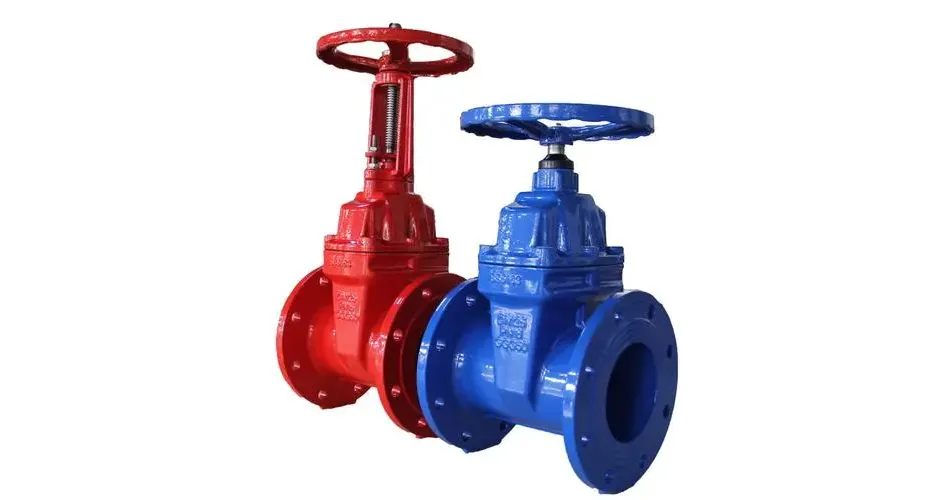
Understanding One-Way Ball Check Valves Functionality and Applications One-way ball check valves are integral components in various fluid systems, ensuring the unidirectional flow of liquids while preventing backflow. These valves play a crucial role in many industrial, commercial, and residential applications, contributing significantly to system efficiency and reliability. This article explores the structure, working principle, advantages, and applications of one-way ball check valves. Structure and Working Principle A one-way ball check valve consists of a valve body, a ball, and a seat. Typically manufactured from materials such as brass, stainless steel, or plastic, these valves are designed to withstand high pressure and corrosive environments. The primary function of a one-way ball check valve is based on a simple yet effective mechanism. Inside the valve body, a ball is positioned atop a seat. When fluid flows in the intended direction, the fluid pressure pushes the ball away from the seat, allowing the liquid to pass through. However, if the flow direction reverses, the ball is pushed back onto the seat, sealing the valve and preventing any backflow. This one-directional characteristic is pivotal in maintaining system integrity and preventing contamination or damage from reverse flow. Advantages of One-Way Ball Check Valves One-way ball check valves offer several advantages that make them a preferred choice in many applications 1. Simplicity and Reliability The design of the ball check valve is straightforward, ensuring minimal maintenance and high reliability over time . With fewer parts than other valve types, they are less prone to mechanical failures. 2. Low Pressure Drop The smooth surface of the ball and the streamlined flow path contribute to a low-pressure drop across the valve, making it energy-efficient. This is particularly important in systems where maintaining pressure is essential, such as HVAC applications and irrigation systems. 3. Wide Range of Applications One-way ball check valves can be used in a variety of applications, including water supply systems, wastewater treatment, irrigation, and more. Their versatility allows for use in different industries, including agriculture, pharmaceuticals, and food processing. one way ball check valve 4. Preventing Contamination By preventing backflow, these valves help maintain the purity of fluids, which is crucial in applications where contamination can lead to severe consequences. This makes them indispensable in the food and beverage industry as well as in chemical processing. 5. Compact Design The compact nature of one-way ball check valves means they can be easily integrated into various systems without requiring significant changes to existing infrastructure. Their lightweight design also helps in reducing the overall weight of piping systems. Applications of One-Way Ball Check Valves One-way ball check valves find their application across a wide range of fields due to their versatile nature. Some prominent applications include - Water Supply Systems They are commonly used in water supply lines to prevent backflow, ensuring that clean water does not mix with wastewater. - Wastewater Treatment In sewage systems, one-way ball check valves help maintain system pressure and prevent the backflow of contaminated water into treatment facilities. - HVAC Systems These valves are used in heating, ventilation, and air conditioning systems to prevent backflow in refrigerant lines and ensure efficient operation. - Irrigation Systems In agricultural applications, they help maintain consistent water flow and protect against backflow, which can lead to contamination of freshwater sources. - Industrial Applications Manufacturing processes often utilize one-way ball check valves to control fluid flows in pumps and pipelines to ensure process integrity and safety. Conclusion One-way ball check valves play a crucial role in modern fluid management systems by providing effective backflow prevention and maintaining the efficiency of fluid transport. Their simple yet effective design, combined with their reliability and versatility, makes them an indispensable component in various applications. As industries continue to evolve, the demand for efficient and reliable fluid control devices like one-way ball check valves will undoubtedly persist, underlining their importance in both current and future engineering solutions. Understanding their functionality and appropriate applications enhances the ability to design robust systems that ensure both safety and efficiency, ultimately leading to advancements in fluid management technology.
-

High quality industrial productsagement

High quality industrial products
View Details -

Meet the diverse needs of customers

Meet the diverse needs of customers
View Details -

Strict quality control

Strict quality control
View Details -

Top raw materials

Top raw materials
View Details -

Trusted supplier

Trusted supplier
View Details
Our application


news and information

Uso del medidor de anillo en la evaluación de dimensiones de referencia.
El uso de calibres de anillo (ring gauges) es una práctica esencial en la industria de la construcci
Versatile animal repellent device for effective pest control in various settings.
A multifunctional animal repeller is a device that is designed to keep unwanted animals away from yo

valve china
Valve Corporation, a name synonymous with gaming excellence and innovation, has strategically establ
 English